
Dry, sore or watery eyes can be frustrating - and confusing.
Tear Talk is our place to explain dry eye clearly and simple
No jargon, no scare stories - just honest advice, practical tips, and support to help your eyes feel more comfortable every day
Read - Learn - Feel better
Dry Eye: What Causes Dry Eye
(and Why Winter Makes It Worse)
It’s getting colder outside… But that roaring fire indoors might not be helping your eyes 🔥👀
The simple reason Winter air is dry. Both outside and inside.
Cold air holds less moisture
Central heating dries the air further.
Fires, heaters and car vents make it worse.
If you already have dry eye, your tears:
Doesn’t last long enough
Or aren’t good quality
So moisture is lost faster than your eyes can replace it.
What does dry eye feel like?
Dry or gritty
Tired or sore
Itchy or burning
Watery eyes (yes – watery can still be dry eye!)
Blurred vision at times
This happens because dryness triggers inflammation, starting a cycle that keeps repeating if untreated.
How to protect your eyes indoors
💧 Add moisture to the air
Use a humidifier if you can
Or place a bowl of water near radiators.
Always clean humidifiers properly (to avoid bacteria)
🧥 Turn the heat down slightly
Lower the thermostat by a degree
Add a jumper instead
Avoid overheated rooms
👉 Open windows briefly each day – fresh, moist air helps your eyes and your wellbeing.
🚫 Avoid blowing heat
Turn heating vents away from your face
In the car and at home
Let hair dry naturally when possible (hair dryers dry eyes fast)
Night-time protection 🌙
If heating is on overnight:
Eyes can feel very dry in the morning
A night-time ointment acts like a blanket for your eyes
How to protect your eyes outdoors
🕶 Wear your glasses (or sunglasses)
Shields eyes from cold wind
Reduces glare from low winter sun
Helps prevent watery, irritated eyes after walks
💧 Use drops before going out.
A drop before exposure can reduce symptoms.
Not all drops are the same – choice matter.
Don’t suffer in silence
Dry eye is common – but very treatable with the right advice and routine.
If your eyes:
Feel uncomfortable most days
Water for no clear reason
-
Struggle with screens or winter weather
👉 Speak to your eye care professional
👉 Book a proper dry eye assessment with your local independent opticianYour eyes work hard all winter – let’s look after them properly 💙
SHARE THIS
COMMENTS
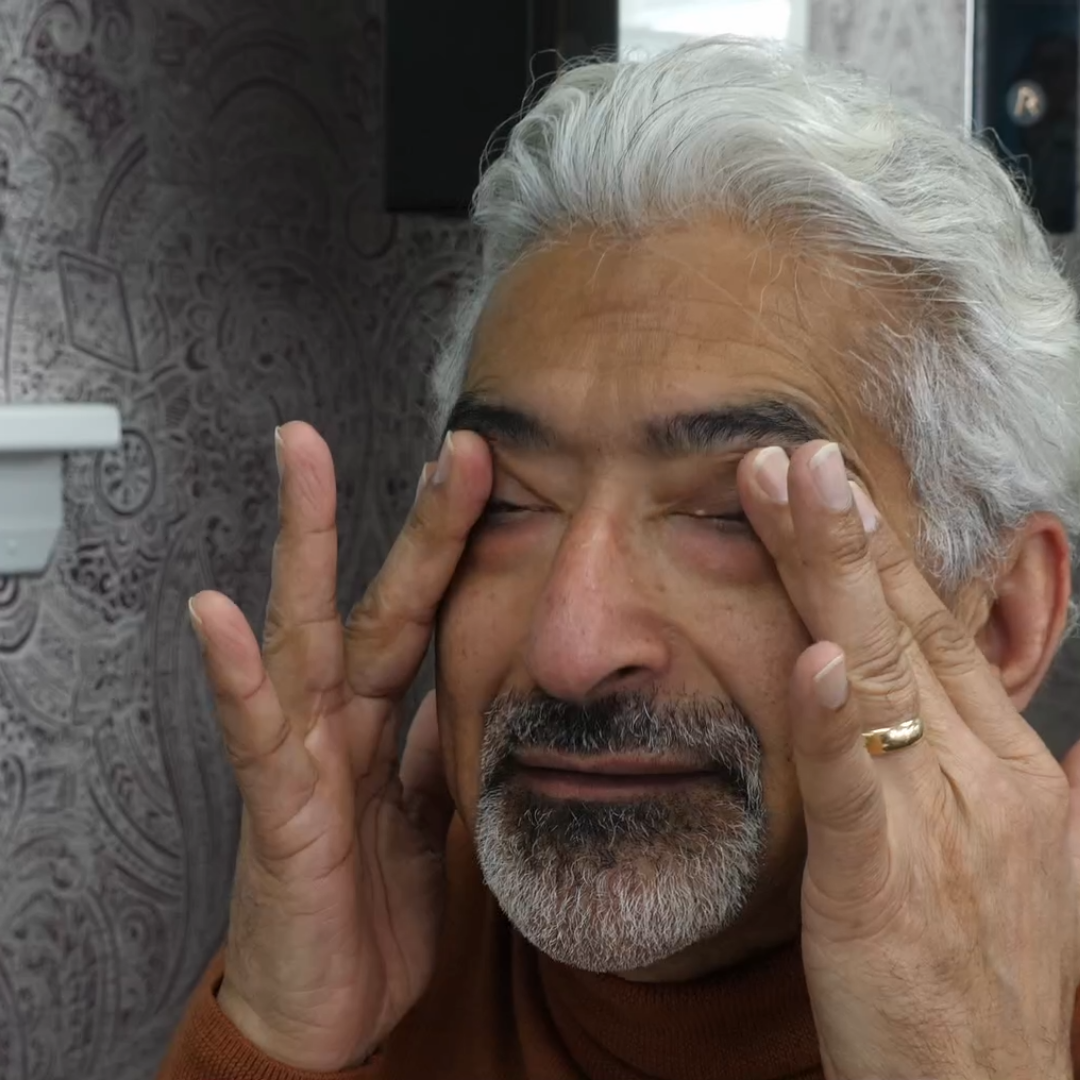
Dry Eye: The Essentials
If your eyes feel tired, gritty or irritated, here’s the quick guide to what’s really going on.
What dry eye actually is
Your natural tears aren’t doing their job properly.
Either:
You don’t produce enough tears, or
Your tears evaporate too quickly.
This makes your tears saltier, which leads to inflammation and discomfort.
Is dry eye a real disease?
Yes. Dry eye is listed as a chronic, progressive condition in the WHO World Report on Vision.
It doesn’t disappear on its own — but with the right care, it can be controlled.
Common symptoms
Dry, scratchy, gritty eyes
Heavy, tired or sore eyes
Blurred vision that clears when you blink
Excessive watering (very common in dry eye!)
Types of dry eye
You may have one type or a mix of both:
1️⃣ Aqueous Deficient Dry Eye (ADDE)
Not enough watery tears.
2️⃣ Evaporative Dry Eye (EDE)
Not enough protective oil layer, so your tears evaporate too fast.
Your treatment depends on which type you have — this is why a proper assessment is important.
What causes dry eye?
Ageing
Hormone changes
Long hours on screens
Air-con & central heating
Medications
Conditions such as diabetes or arthritis
How common is it?
Around 1 in 3 adults in the UK have dry eye (Aston University study).
Why you shouldn’t ignore it
Dry eye can affect:
The surface of your eye
Comfort in glasses and contact lenses
The quality of your vision
It’s also linked with poor sleep, anxiety, and low mood.
SHARE THIS
COMMENTS

Opening Hours:
Mon-Wed: 9:00am to 5:00pm
Thu: 9:00am to 2:30pm
Fri: 9:00am to 5:00pm
Sat am: 9:30am to 1:00pm
Sat pm: By Appointment only
Closed Bank Holiday Weekends
Here when you need us - no rush, just the right care.
Copyright © 2026 Perfect Vision.
KAS Perfect Vision Ltd.
T/A Perfect Vision
100 Ferry Road,
Hullbridge,
Essex. SS5 6EX.
Company No: 6619358.
Contact us:
Call us: 01702 232 222
Email: contact@pvopticians.co.uk